
How to Choose the Right Orthodontist
Straightening teeth is a months-long relationship, not a single procedure. Learning how to choose the right orthodontist comes down to verifying real specialty credentials, comparing written plans, and finding a team you actually enjoy visiting every few weeks. Here’s what to check, what to ask, and what should raise an eyebrow.
What Makes Someone an Orthodontist (and Why It Matters)
An orthodontist is a dentist who completed two to three additional years of specialty residency focused on tooth movement, bite correction, and jaw growth. That extra training is the baseline credential to verify. Choosing well means confirming that specialty education first, then weighing communication, technology, and convenience.
Every orthodontist starts as a dentist. Not every dentist becomes an orthodontist.
The residency piece matters because straight front teeth and a healthy bite aren’t the same thing. A specialist looks at how your upper and lower jaws meet, how your teeth wear against each other, whether your growth patterns are on track, and how your smile will hold up in ten years. Cosmetic alignment alone can leave a bad bite untouched.
Board certification through the American Board of Orthodontics is voluntary, so plenty of excellent specialists practice without it. Membership in the American Association of Orthodontists (AAO) is another useful marker. Either way, ask directly. At Sexson Orthodontics, LTD., you’re welcome to ask Dr. Gary Sexson II about his education, residency training, and professional memberships during your free consult, and he’ll answer plainly.
Right fit goes beyond a diploma, though. Expertise, technology, honest communication, office hours, and drive time all shape whether you finish your care on schedule and happy.
How to Evaluate an Orthodontist: A Step-by-Step Process
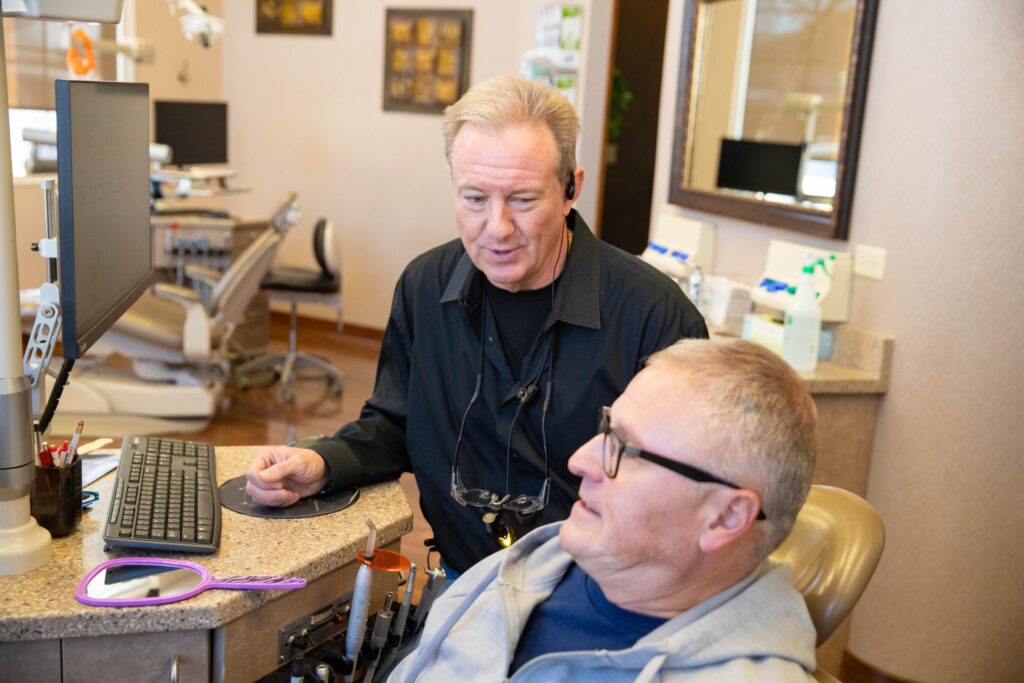
Start by verifying credentials, then compare diagnoses and written plans from at least two practices. The evaluation breaks into six steps: check training, confirm they treat your age group, review similar cases, book a free consult, ask about timelines, and compare costs in writing.
Here’s the process in order:
Verify education, residency, and certification. Look for a completed orthodontic residency, state licensure, and AAO membership. State dental board websites list active licenses publicly.
Confirm they treat your age group and your type of case. Some practices lean heavily toward kids. Others see mostly adults. A family practice that handles children, teens, and adults gives you one home for everyone under your roof.
Review before-and-after photos of similar cases. Crowding, deep bites, and gaps all look different on the way out. Ask to see results from cases like yours, not just the easiest ones. Photo galleries are common, so request one if you don’t see it on the website.
Book a free consult, or a virtual one. Two specialists can look at the same teeth and propose different plans. Hearing both explanations teaches you a lot about how each doctor thinks.
Ask about total time, visit frequency, and after-hours help. How many months? How often do you come in, and what happens when a wire pokes on a Saturday? Vague answers here often mean vague answers later.
Compare written plans and financing side by side. Get the appliance type, estimated length, total fee, what’s included, and monthly terms on paper. Then read both documents at your kitchen table.
Six steps sounds like a lot. Most families finish all of them in about two weeks, and the reading you do at home is often the part that clarifies everything else.
Signs You’ve Found the Right Orthodontic Practice
Good practices tend to show the same handful of habits. Watch for these:
Full diagnostic records before any plan. Digital scans, X-rays, photos, and a real bite analysis. A plan built from a quick visual glance isn’t a plan.
Options explained, not prescribed. Metal braces, clear braces, radiance plus braces, and Spark clear aligners each carry trade-offs. You’ve got options, and a good doctor walks you through all of them.
Transparent pricing. One clear fee, a written list of what it covers, and no surprise charges for adjustments or broken brackets.
The same doctor at every visit. Continuity matters. Knowing that Dr. Sexson is the one checking your progress each time keeps small course corrections from getting missed.
Fast, human communication. Someone picks up the phone. Emergencies get seen quickly. Retention gets explained before your braces come off, not after.
A space that works for every age. Kids should feel relaxed, teens shouldn’t feel talked down to, and adults shouldn’t feel out of place. Our team keeps a laid-back atmosphere on purpose.
If a visit feels rushed or salesy, trust that instinct.
Orthodontist vs. General Dentist vs. Mail-Order Aligners
All three can move teeth. They differ sharply in training, oversight, and what happens when something goes sideways.
| Orthodontist | General dentist | Mail-order aligners | |
|---|---|---|---|
| Training | Dental school plus 2-3 year orthodontic residency | Dental school, plus optional short aligner courses | No in-person provider exam |
| Diagnostic records | X-rays, digital scans, full bite analysis | Varies by practice | Photos and impressions you take yourself |
| Case complexity | Mild crowding through complex bite and jaw issues | Generally mild alignment cases | Mild crowding or spacing only |
| Progress checks | In-person visits, typically every 4-8 weeks | Periodic in-office checks | Remote, app-based |
| Problem solving | Wires, brackets, or aligners adjusted in real time | Limited adjustment options | Refinement trays by mail |
| Retention | Retainer plan plus follow-up care | Varies | Often minimal follow-up |
When each makes sense. An orthodontist handles anything involving bite correction, jaw growth, impacted teeth, or previous care that relapsed. A general dentist may reasonably take on a very mild aligner case, especially with orthodontic mentorship. Direct-to-consumer aligners skip the X-rays entirely, which is the real issue: hidden root shortening, gum recession, and bone loss don’t show up in a selfie.
Root resorption and unstable bites are hard to reverse. Getting an in-person diagnosis first costs you an hour.
What Affects the Cost of Your Smile Journey
Orthodontic costs vary by case complexity, appliance type, and how long you wear it. A short round of early treatment for a child usually costs less than full braces or clear aligners for an adult. Ask whether a quote includes every visit, adjustment, X-ray, and your first set of retainers before you compare numbers, since two quotes rarely cover the same list of items.
| Factor | How it moves your fee |
|---|---|
| Case complexity | Rotations, crossbites, and jaw alignment take more time and planning |
| Appliance type | Metal braces are typically the most economical; clear braces and clear aligners carry a premium for aesthetics |
| Treatment length | Longer care means more adjustment visits and more chair time |
| Age and growth stage | Early treatment is often shorter and narrower in scope than full care |
| Insurance benefits | Lots of dental plans give you a once-in-a-lifetime orthodontic benefit, and many of them stop covering it after a certain age, so ask early |
| Retention | Retainers and replacements are a long-term cost worth asking about upfront |
Financing changes the math more than the sticker price does. Sexson Orthodontics offers flexible monthly plans with no down payments and online payment, so the monthly number is what most families actually plan around. FSA and HSA dollars usually apply as well, and your benefits coordinator can help you time care to use two plan years.
Be careful with the lowest quote. If one estimate comes in far under the others, find out what’s missing: records, retainers, refinements, or the doctor’s own time at each visit. Paying less upfront and re-treating later is the worst outcome of all, both for your wallet and for your teeth.
Who Should See an Orthodontist and When
The American Association of Orthodontists recommends a first orthodontic evaluation by age seven, when enough permanent teeth have come in to spot developing bite issues. Early doesn’t mean braces right away. Most young kids simply enter an observation period while Dr. Sexson tracks growth.
Here’s how the timing usually breaks down:
Around age 7: A first check for crowding, crossbites, narrow arches, or jaw alignment. Early treatment, when needed, guides growth and often reduces how much work is needed later.
Ages 10-14: The most common window for full metal braces, clear braces, or Spark clear aligners, since adult teeth are in and jaws are still adaptable.
Adults of any age: Crowding, gaps, shifting after years without a retainer, or alignment needed before crowns, bridges, or implants.
Signs it’s worth booking an evaluation:
Teeth that overlap, crowd, or have noticeable gaps
An overbite, underbite, or teeth that don’t meet when you close
Jaw discomfort, clicking, or clenching
Mouth breathing, snoring, or chronic lip-biting in kids
Baby teeth lost much earlier or later than siblings’ were
Teeth that shifted after braces years ago
A healthy smile for every stage of life starts with knowing where you stand. If any of the signs above sound familiar, a free consult is the fastest way to get a straight answer, and our team sees kids, teens, and adults with the same attention either way.
Frequently Asked Questions About Choosing an Orthodontist
Is an orthodontist better than a dentist for braces?
For anything involving bite correction, jaw growth, or moderate to complex tooth movement, yes. Orthodontists complete two to three years of residency devoted entirely to moving teeth and managing jaw development, which general dentists don’t receive in dental school. A dentist may reasonably handle a very mild aligner case, and many refer those cases out anyway.
How do I check if an orthodontist is board certified?
Search the American Board of Orthodontics directory online, and verify the license through your state dental board. You can also just ask the practice directly. Keep in mind that board certification is voluntary, so a specialist without it may still be highly qualified; completed orthodontic residency is the credential that separates specialists from general dentists.
What questions should I ask at a consultation?
Ask what’s causing your specific issue, what options exist besides the one being recommended, how many months care should take, and how often you’ll come in. Then ask what the total fee covers, whether retainers are included, and who you’ll see at each visit. Write the answers down so you can compare practices later.
Should I get a second orthodontic opinion?
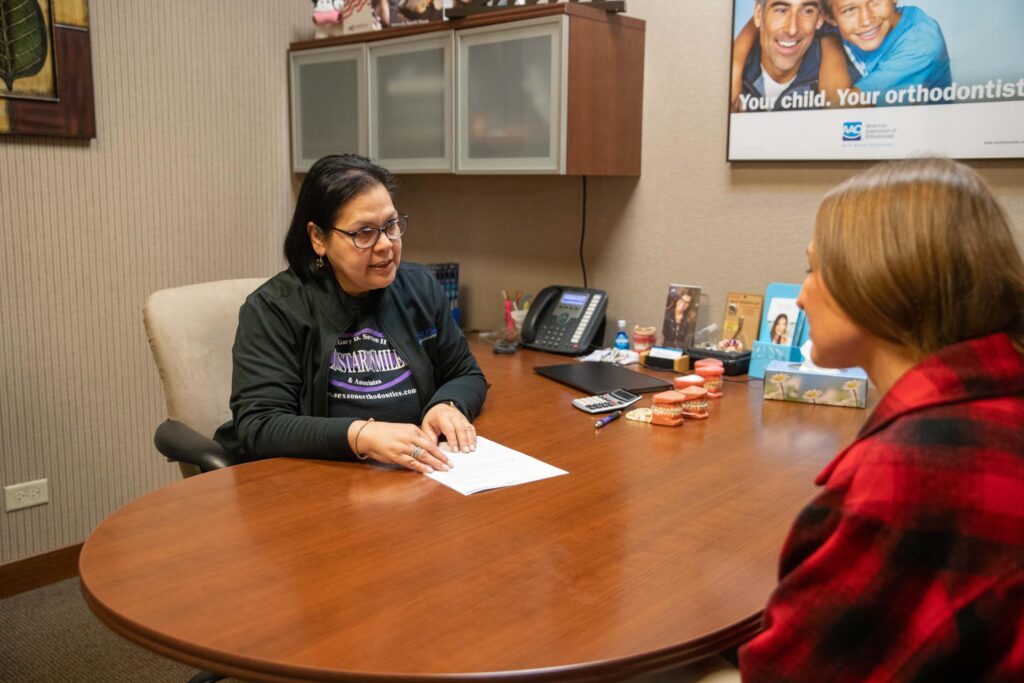
Second opinions are smart, especially for longer plans, cases involving extractions, or quotes that feel out of step with others. Two specialists may propose different approaches to the same bite, and understanding why teaches you a lot. Since consults at Sexson Orthodontics are free, comparing costs you nothing but time.
Does insurance affect which orthodontist I choose?
It can affect your out-of-pocket amount, but it shouldn’t be the only deciding factor. Many plans pay orthodontic benefits toward in-network and out-of-network care, sometimes at different rates. Call your carrier for your lifetime orthodontic maximum and any age limits, then ask each practice to run the numbers with financing included.
Can I switch orthodontists mid-treatment?
Yes, and it happens regularly when families move or aren’t happy with their progress. Request your records, including X-rays, scans, and your original plan, and bring them to the new consult. Your new doctor will review what’s been done so far in your smile journey, quote the remaining care, and pick up from where you are. Bring another practice’s quote along too, since a side-by-side comparison of what’s left to do and what it costs makes the handoff far easier to understand. Dr. Sexson sees every family personally, explains all the options, and keeps things honest about cost and timing, whether you’re starting fresh or finishing something another office began. Ask your questions at that first free consult at your friendly neighborhood smile shop, in person or virtually, and you’ll see what a real plan looks like before you commit to anything.